Quick hand-legs-foot drawing tutorial


121 Ways to Boost Your Brain Power


121 Ways to Boost Your Brain Power


Here are 121 things you can do starting today to help you think faster, improve memory, comprehend information better and unleash your brain’s full potential.


  1. Solve puzzles and brainteasers.
  2. Cultivate ambidexterity. Use your non-dominant hand to brush your teeth, comb your hair or use the mouse. Write with both hands simultaneously. Switch hands for knife and fork.
  3. Embrace ambiguity. Learn to enjoy things like paradoxes and optical illusions.
  4. Learn mind mapping.
  5. Block one or more senses. Eat blindfolded, wear earplugs, shower with your eyes closed.
  6. Develop comparative tasting. Learn to properly taste wine, chocolate, beer, cheese or anything else.
  7. Find intersections between seemingly unrelated topics.
  8. Learn to use different keyboard layouts. Try Colemak or Dvorak for a full mind twist!
  9. Find novel uses for common objects. How many different uses can you find for a nail? 10? 100?
  10. Reverse your assumptions.
  11. Learn creativity techniques.
  12. Go beyond the first, ‘right’ answer.
  13. Transpose reality. Ask “What if?” questions.
  14. SCAMPER!
  15. Turn pictures or the desktop wallpaper upside down.
  16. Become a critical thinker. Learn to spot common fallacies.
  17. Learn logic. Solve logic puzzles.
  18. Get familiar with the scientific method.
  19. Draw. Doodle. You don’t need to be an artist.
  20. Think positive.
  21. Engage in arts — sculpt, paint, play music — or any other artistic endeavor.
  22. Learn to juggle.
  23. Eat ‘brain foods’.
  24. Be slightly hungry.
  25. Exercise!
  26. Sit up straight.
  27. Drink lots of water.
  28. Deep-breathe.
  29. Laugh!
  30. Vary activities. Get a hobby.
  31. Sleep well.
  32. Power nap.
  33. Listen to music.
  34. Conquer procrastination.
  35. Go technology-less.
  36. Look for brain resources in the web.
  37. Change clothes. Go barefoot.
  38. Master self-talk.
  39. Simplify!
  40. Play chess or other board games. Play via Internet (particularly interesting is to play an ongoing game by e-mail).
  41. Play ‘brain’ games. Sudoku, crossword puzzles or countless others.
  42. Be childish!
  43. Play video games.
  44. Be humorous! Write or create a joke.
  45. Create a List of 100.
  46. Have an Idea Quota.
  47. Capture every idea. Keep an idea bank.
  48. Incubate ideas. Let ideas percolate. Return to them at regular intervals.
  49. Engage in ‘theme observation’. Try to spot the color red as many times as possible in a day. Find cars of a particular make. Invent a theme and focus on it.
  50. Keep a journal.
  51. Learn a foreign language.
  52. Eat at different restaurants – ethnic restaurants specially.
  53. Learn how to program a computer.
  54. Spell long words backwards. !gnignellahC
  55. Change your environment. Change the placement of objects or furniture — or go somewhere else.
  56. Write! Write a story, poetry, start a blog.
  57. Learn sign language.
  58. Learn a musical instrument.
  59. Visit a museum.
  60. Study how the brain works.
  61. Learn to speed-read.
  62. Find out your learning style.
  63. Dump the calendar!
  64. Try to mentally estimate the passage of time.
  65. “Guesstimate”. Are there more leaves in the Amazon rainforest or neuron connections in your brain? (answer).
  66. Make friends with math. Fight ‘innumeracy’.
  67. Build a Memory Palace.
  68. Learn a peg system for memory.
  69. Have sex! (sorry, no links for this one!  )
  70. Memorize people’s names.
  71. Meditate. Cultivate mindfulness and an empty mind.
  72. Watch movies from different genres.
  73. Turn off the TV.
  74. Improve your concentration.
  75. Get in touch with nature.
  76. Do mental math.
  77. Have a half-speed day.
  78. Change the speed of certain activities. Go either super-slow or super-fast deliberately.
  79. Do one thing at a time.
  80. Be aware of cognitive biases.
  81. Put yourself in someone else’s shoes. How would different people think or solve your problems? How would a fool tackle it?
  82. Adopt an attitude of contemplation.
  83. Take time for solitude and relaxation.
  84. Commit yourself to lifelong learning.
  85. Travel abroad. Learn about different lifestyles.
  86. Adopt a genius. (Leonardo is excellent company!)
  87. Have a network of supportive friends.
  88. Get competitive.
  89. Don’t stick with only like-minded people. Have people around that disagree with you.
  90. Brainstorm!
  91. Change your perspective. Short/long-term, individual/collective.
  92. Go to the root of the problems.
  93. Collect quotes.
  94. Change the media you’re working on. Use paper instead of the computer; voice recording instead of writing.
  95. Read the classics.
  96. Develop your reading skill. Reading effectively is a skill. Master it.
  97. Summarize books.
  98. Develop self-awareness.
  99. Say your problems out loud.
  100. Describe one experience in painstaking detail.
  101. Learn Braille. You can start learning the floor numbers while going up or down the elevator.
  102. Buy a piece of art that disturbs you. Stimulate your senses in thought-provoking ways.
  103. Try different perfumes and scents.
  104. Mix your senses. How much does the color pink weigh? How does lavender scent sound?
  105. Debate! Defend an argument. Try taking the opposite side, too.
  106. Use time boxing.
  107. Allocate time for brain development.
  108. Have your own mental sanctuary.
  109. Be curious!
  110. Challenge yourself.
  111. Develop your visualization skills. Use it at least 5 minutes a day.
  112. Take notes of your dreams. Keep a notebook by your bedside and record your dreams first thing in the morning or as you wake up from them.
  113. Learn to lucid dream.
  114. Keep a lexicon of interesting words. Invent your own words.
  115. Find metaphors. Connect abstract and specific concepts.
  116. Manage stress.
  117. Get random input. Write about a random word in a magazine. Read random sites using StumbleUpon or Wikipedia.
  118. Take different routes each day. Change the streets you follow to work, jog or go back home.
  119. Install a different operating system on your computer.
  120. Improve your vocabulary.
  121. Deliver more than what’s expected.

Better communication : Better Negotiation


Relationships don’t exist in a vacuum. They exist between two emotional human beings who bring their own past experiences, history, and expectations into it. Two different people also have different levels of skill when it comes to communication. But better communication, because it is a skill, can also be learned.


The most popular myth about communication in relationships is that since you talk to your partner, you’re automatically communicating. While talking to your partner is indeed a form of communication, if it’s primarily about everyday, “surfacey” topics (“How were the kids?” “How was work?” “How’s your mother?”), you’re not really communicating about the important stuff. This article is primarily about how to talk in a more open and rewarding manner with your significant other.


Communication either makes or breaks most relationships. You can improve your relationship today, right now, by putting into practice some of these tips for improving the communication in your relationship.


Understanding the Basics of Communication Skills


1. Know what communication really is. 
Communication is the process of transferring signals/messages between a sender and a receiver through various methods (written words, nonverbal cues, spoken words). It is also the mechanism we use to establish and modify relationships.

2. Have courage to say what you think.
 Be confident in knowing that you can make worthwhile contributions to conversation. Take time each day to be aware of your opinions and feelings so you can adequately convey them to others. Individuals who are hesitant to speak because they do not feel their input would be worthwhile need not fear. What is important or worthwhile to one person may not be to another and may be more so to someone else.


3. Practice. 
Developing advanced communication skills begins with simple interactions. Communication skills can be practiced every day in settings that range from the social to the professional. New skills take time to refine, but each time you use your communication skills, you open yourself to opportunities and future partnerships.


Engage Your Audience


1. Make eye contact.
 Whether you are speaking or listening, looking into the eyes of the person with whom you are conversing can make the interaction more successful. Eye contact conveys interest and encourages your partner to be interested in you in return.
One technique to help with this is to consciously look into one of the listener’s eyes and then move to the other eye. Going back and forth between the two makes your eyes appear to sparkle. Another trick is to imagine a letter “T” on the listener’s face ,with the cross bar being an imaginary line across the eye brows and the vertical line coming down the center of the nose. Keep your eyes scanning that “T” zone.


2. Use gestures. 
These include gestures with your hands and face. Make your whole body talk. Use smaller gestures for individuals and small groups. The gestures should get larger as the group that one is addressing increases in size.


3. Don’t send mixed messages. 
Make your words, gestures, facial expressions and tone match. Disciplining someone while smiling sends a mixed message and is therefore ineffective. If you have to deliver a negative message, make your words, facial expressions, and tone match the message.


4. Be aware of what your body is saying.
 Body language can say so much more than a mouthful of words. An open stance with arms relaxed at your sides tells anyone around you that you are approachable and open to hearing what they have to say. Arms crossed and shoulders hunched, on the other hand, suggest disinterest in conversation or unwillingness to communicate. Often, communication can be stopped before it starts by body language that tells people you don't want to talk. Appropriate posture and an approachable stance can make even difficult conversations flow more smoothly.


5. Manifest constructive attitudes and beliefs. 
The attitudes you bring to communication will have a huge impact on the way you compose yourself and interact with others. Choose to be honest, patient, optimistic, sincere, respectful, and accepting of others. Be sensitive to other people's feelings, and believe in others' competence.


6. Develop effective listening skills:
Not only should one be able to speak effectively, one must listen to the other person's words and engage in communication on what the other person is speaking about. Avoid the impulse to listen only for the end of their sentence so that you can blurt out the ideas or memories your mind while the other person is speaking.


Use Your Words


1. Enunciate your words.
 Speak clearly and don’t mumble. If people are always asking you to repeat yourself, try to do a better job of articulating yourself in a better manner.
2. Pronounce your words correctly. 
People will judge your competency through your vocabulary. If you aren’t sure of how to say a word, don’t use it.
3. Use the right words.
 If you’re not sure of the meaning of a word, don’t use it. Grab a dictionary and start a daily habit of learning one new word per day. Use it sometime in your conversations during the day.
4. Slow your speech down.
 People will perceive you as nervous and unsure of yourself if you talk fast. However, be careful not to slow down to the point where people begin to finish your sentences just to help you finish.


Use Your Voice


1. Develop your voice 
 A high or whiny voice is not perceived to be one of authority. In fact, a high and soft voice can make you sound like prey to an aggressive co-worker or make others not take you seriously. Begin doing exercises to lower the pitch of your voice. Try singing, but do it an octave lower on all your favorite songs. Practice this and, after a period of time, your voice will begin to lower.
2. Animate your voice. 
Avoid a monotone and use dynamics. Your pitch should raise and lower periodically. Radio DJ's are usually a good example of this.
3. Use appropriate volume.
 Use a volume that is appropriate for the setting. Speak more softly when you are alone and close. Speak louder when you are speaking to larger groups or across larger spaces.


9 Steps to Better Communication Today:


1. Stop and listen.


How many times have you heard someone say this or read this in an article about communication skills? How hard is it to actually do when you’re “in the moment?” Harder than it sounds. When we’re knee deep within a serious discussion or argument with our significant other, it’s hard to put aside our point for the moment and just listen. We’re often so afraid of not being heard, we rush to keep talking. Ironically, such behavior makes it all the more likely we won’t be heard.


2. Force yourself to hear.


You’ve stopped talking for the moment, but your head is still swirling with all of the things you want to say, so you’re still not really hearing what is being said. Laugh all you want, but therapists have a technique that works very well that “forces” them to really hear what a client tells them — rephrasing what a person has just said to them (called “reflection”).


This may upset a partner if you do it too much, or do it in a tone that suggests you’re mocking rather than trying to seriously listen. So use the technique sparingly, and let your partner know why you’re doing it if they ask — “Sometimes I don’t think I’m getting what you’re telling me, and doing this lets me slow my mind down a bit and really try and hear what you’re saying.”


3. Be open and honest with your partner.


Some people have never been very open to others in their life. Heck, some people might not even know themselves, or know much about their own real needs and desires. But to be in a relationship is to take a step toward opening up your life and opening up yourself.


Little lies turn into big lies. Hiding your emotions behind a cloak of invincibility might work for you, but won’t work for most others. Pretending everything is alright isn’t alright. And giving your partner the silent treatment is about as useful as a fish with a bicycle. In the desert. At night. These things may have “worked” for you in the past, but they are all barriers to good communication.


Being open means talking about things you may have never talked about with another human being before in your life. It means being vulnerable and honest with your partner, completely and unabashedly. It means opening yourself up to possible hurt and disappointment. But it also means opening yourself up to the full potential of all a relationship can be.


4. Pay attention to nonverbal signals.


Most of our communication with one another in any friendship or relationship isn’t what we say, but how we say it. Nonverbal communication is your body language, the tone of your voice, its inflection, eye contact, and how far away you are when you talk to someone else. Learning to communicate better means that you need to learn how to read these signals as well as hear what the other person is saying. Reading your partner’s nonverbal signals takes time and patience, but the more you do it, the more attuned you will be to what they’re really saying, such as:


Folded arms in front of a person may mean they’re feeling defensive or closed off.
Lack of eye contact may mean they’re not really interested in what you’re saying, are ashamed of something, or find it difficult to talk about something.
Louder, more aggressive tone may mean the person is escalating the discussion and is becoming very emotionally involved. It might also suggest they feel like they’re not being heard or understood.
Someone who’s turned away from you when talking to you may mean disinterest or being closed off.
All the while you’re reading your partner’s nonverbal signals, be aware of your own. Make and maintain eye contact, keep a neutral body stance and tone to your voice, and sit next to the person when you’re talking to them.


5. Stay focused in the here and now.


Sometimes discussions turn into arguments, that can then morph into a discussion about everything and the kitchen sink. To be respectful of one another and the relationship, you should try and keep the discussion (or argument) focused to the topic at hand. While it’s easy to get in the cheap shots or bring up everything that an argument seems to call for, just don’t. If the argument is ostensibly about who’s making dinner tonight, keep it that topic. Don’t veer off down the country road of who does what in the house, who’s responsible for child rearing, and by the way, who cleans the kitchen sink.


Arguments that do veer off tend to escalate and grow larger and larger. One party needs to make an effort at that point to try and de-escalate the argument, even if it means walking away from it, literally. But do so as respectfully as possible, saying something like, “Look, I can see this isn’t going to get any better by discussing it tonight. Let’s sleep on it and try talking about it with fresh eyes in the morning, okay?”


6. Try to minimize emotion when talking about important, big decisions.


Nobody can talk about important, big matters if they feel emotionally vulnerable or charged-up and angry. Those are not the times to talk about the serious issues (like money, getting married, the kids, or retirement). You might think it impossible, nonsensical or even contradictory to talk about an emotional topic like getting married or having children without emotion. And yet, these discussions need to keep a foothold of rationality to them in order to not gloss over the realities that they bring. Marriage, for instance, brings the combining of households and living with another person day-to-day. Having kids isn’t just about cute toddler clothes and painting the nursery, but talking about who’s going to change diapers, feed the newborn, and be available at all hours of the day and night for months on end.


7. Be ready to cede an argument.


How many times do we continue to argue or have a heated discussion because we simply want to be “right.” I’ve talked about this sense of needing to “win” arguments more than once. Why? Because so many of couples’ arguments revolve around one party thinking they’re “right” and the other party not willing to cede the point or back off. In fact, though, both parties need to back off.


By doing this, are you giving up a piece of yourself by compromising and not insisting on how right you are? Well, that’s something only you can decide. Would you rather be in a happy relationship where you respect the other person, even if you may occasionally disagree with them? Or would you rather be in an unhappy relationship where you know you’re always right, no matter what? It just comes down to your priorities — if being “right” is more important to you than your partner’s happiness, then perhaps you have not found the right partner.


8. Humor and playfulness usually help.


You don’t have to be funny in order to use humor and playfulness in everyday conversations. You just need to use the sense of humor you do have and try and inject it into more of your communications with your partner. Humor helps lighten everyday frustrations and helps puts things into perspective more gently than other methods. Playfulness reminds us that even as adults, we all have a side to us that enjoys fun and taking a break from the seriousness of work and other demands made on us.


9. Communicating is more than just talking.


To communicate better and more effectively in your relationship, you don’t only have to talk. You can communicate in other ways — through your actions, and nowadays, electronically too (through email, Facebook, blogs, texting or Twitter). All too often, couples focus only on the talking aspect of their relationship, but your actions also speak loudly. Keeping in touch throughout the day or week through email or other electronic means also reminds the person you’re thinking about them and how important they are in your life. Even if such communications are mainly playful or inconsequential, they can help lighten your partner’s day and improve their mood.


Some couples also find that using email or another method is easier to discuss emotional issues rather than trying to do so face-to-face. It’s something to consider if every time you try and bring up a particular topic with your significant other, it turns into an argument or they shy away from it. Email or texting may be a way of communicating about such matters more openly and directly.

Be Optimistic all the Time


All thought, good and bad, is creative and tends to lead to a material thing. That is why we must learn to be more positive. The environment and all the experiences in life are the result of habitual and predominant thoughts.
Negative thoughts can tell us about something that needs attention. So, thoughts lead to discovering what needs to be done and one can think positively or negatively to take care of it. Many people fail to see a negative occurrence as a learning experience and continue to feel victimized and helpless, ultimately blaming others for what they drew to themselves.


Believe it or not, being optimistic is a choice you make. Every morning, you choose to wake up grumpy or happy. Roll out on that ugly side of bed, and you'll face a long, tough day, which means you'll have to work extra hard at pulling yourself out of your gloomy mood.


Unfortunately, though, life is a rollercoaster ride riddled with ups and downs. "You either have a problem, you just got over one, or you're about to hit another one," says Willie Jolley, author of A Setback Is A Setup For A Comeback (Griffin Trade Paperback, 2000). Which is why you have to focus on the positive rather than the negative to get through the ride. There's a catch, though. Just because you're an optimist doesn't mean you're not going to have bad days. You will. That's a guarantee. So you can't possibly be upbeat all the time. You have to be realistic and understand that life isn't always fun. But if you're a true optimist, you'll deal with the rough spots and move on. As Jolley says, "Expect the best, prepare for the worst, and celebrate it all."


1. Let go of the assumption that the world is against you, or that you were born with a gray cloud over your head.
 It is an assumption that has no basis in reason or science. Sometimes we pick up a flair for pessimism from a parent who made negative assumptions about the world somewhere along the line. Either way, the sooner you can attribute your pessimism to a unique set of circumstances rather than the state of the world itself, the easier it'll be to change your perspective.


2. Understand that the past does not equal the future.
 Just because you've experienced pain or disappointment in the past does not guarantee that what starts badly will end badly. Do not make a bad start turn into a self fulfilling prophecy for a bad ending.


3. See yourself as a cause, not an effect. 
You don't have to be a product or a victim of your circumstances. Stop thinking about what is happening to you and start thinking about what you can make happen. If you're not happy with the way your life is now, set goals and move on. Use your past negative experiences to build character and make better decisions. Life involves taking many risks every day, and not all of them will end positively. That's what defines risk. But the flip side is that some actions will lead to good results, and it's generally better to have a mixed bag than to have nothing at all. Ideally, the good stuff will outweigh the bad, but you'll never reach that point unless you put yourself out there and hope.


4. Use positive affirmations.
 Write down short statements that remind you of what you're trying to change about the way you see the world. Put them in places where you'll see them every day, such as on your bathroom mirror, the inside of your locker, on your computer monitor, and even taped to your shower wall. Some affirmations to start with are:


"Anything is possible."
"My circumstances do not create me, I create my circumstances."
"The only thing I can control is my attitude towards life."
"I always have a choice."
"I choose to live my positive side of life."
5. Remember that life is short.
 When you feel pessimism clouding your judgment or you start to feel down about the future, remind yourself that every minute counts, and any time spent brooding guarantees nothing but less time to enjoy whatever life might have to offer. At its core, pessimism is impractical because it causes you to spend time dwelling on things that haven't happened yet and aren't guaranteed to happen, and it prevents you from getting things done. Pessimism breeds indecision. It's a waste of time, and time is a limited resource that you can't afford to take for granted.


6. Be a balanced optimist.
 Nobody is suggesting that you become an oblivious Pollyanna, pretending that nothing bad can or ever will happen. Doing so can lead to poor decisions and invites people to take advantage of you. Instead, be a rational optimist who takes the good with the bad, in hopes of the good ultimately outweighing the bad, and with the understanding that being pessimistic about everything accomplishes nothing. Prepare for the worst but hope for the best - the former makes you sensible, and the latter makes you an optimist.


Tips
Use quotes to remind yourself how to be optimistic. Maybe if during a particularly tough day someone mentions some saying that gives you a rare boost of motivation, write it down. Here are a few inspirational sayings:


Even the longest journey begins with a single step.
Life has a way of reminding one that it can be worse.
Until one understands the low and darker side of life, the appreciation of the awe-inspiring highs will remain stagnant.
Every cloud has a silver lining.
Look happy. Studies have shown that putting a cheerful smile on your face can actually make you feel happier and more optimistic about the present and future. They can also get you more 'return smiles' than a frown. Have you ever heard of the expression,'Honey catches more flies than vinegar'? It's actually true. Being kind and caring actually gets you happier than being sour.
Practice by conveying these ideas to others. If you hear someone being pessimistic, counsel them based on these steps. Sometimes it's easier to understand a perspective if you explain it to someone else first.
No matter how odd this may sound, listen to optimistic music (that you like) and read books that have at least a little optimism in them.
Pass a blessing on to a friend or stranger, let somebody have that parking space, let somebody in front of you in line at the market. Doing nice things for others is an instant pick me up.
Only you can make the situation better, so smile and make the situation better!
Count your blessings, each and every little one. Focusing on the good things in your life, no matter how small or seemingly insignificant, will help frame a better attitude and take your mind off of the negatives.
Sometimes, bad thoughts cloud your mind but it's not your fault! Evaluate your friends, family, and the people around you, and avoid people that make you feel negative or unhappy.


Warnings
Everyone has their times of weakness. You may stumble at times and go back into bad habits but never give up and gradually you will succeed.
Don't confuse pessimism with depression. Depression can make everything look worse than it is.
While it is true that you create your own circumstances, accept that the past is the past. Don't let negative circumstances trigger irrational guilt or pessimism.
Realize that it's not about what happens to you, it's about how you react to what happens.
Avoid cynical/pessimistic entertainment. You are what you watch.


Why do children misbehave?


Tantrums, whining, not listening, bedtime battles, power struggles. It’s enough to drive parents crazy. So why do kids really misbehave? To answer that question, we must first understand the root cause of those annoying, frustrating, maddening behaviors.


Children (and adults, for that matter) have a need for belonging and significance. It’s just the way we’re wired. Belonging refers to the emotional connection and positive attention we need with one another. Significance refers to one’s sense of autonomy, capability, and need to make contributions in meaningful ways. Think of “significance” as a form of possessing personal power. Without both of these innate needs being met, children will misbehave.


‘I need more of your time and attention’ 


When a child doesn’t feel a strong sense of belonging, he will act out in ways that he (mistakenly) believes will give his the emotional connection and positive attention he craves. For example, a toddler who isn’t getting enough positive attention from mom and dad will act out with attention-seeking behaviors like whining, clinging or acting helpless. In the child’s mind, she thinks, “if I cling or whine, that’s a great way to get their attention.” The toddler really wants positive attention and emotional connection from mom and dad, but will use negative attention-seeking behaviors to achieve her goal.


‘I need some power of my own’ 


A young child may feel stripped of his significance because mom and dad do things for the child that he is capable of doing for himself. How can a child ever feel capable if mom/dad do everything for him? Or, perhaps they call all the shots and make all the decisions — robbing him of having some control over his life. These parent behaviors (which are natural and extremely common) strip the child of his sense of significance or personal power.


If his hard-wired need to feel capable, important and to have some say over his own life isn’t met, he‘ll fight back with power-seeking behaviors like tantrums, talking back, not listening, and other power struggles occasionally leading to defiance in tweens and teens. The child really wants positive power, but the negative power-seeking behaviors are the toddlers’ or teenagers’ way of saying, “you aren’t the boss of me! I need some power of my own!”


Stop tantrums before they start


A child’s misbehavior is a message that’s telling us he needs to feel a greater sense of belonging and/or significance. It allows us to be proactive and implement strategies that will positively and proactively fill that need. However, without knowledge of WHY children misbehave and WHAT strategies to use to address and correct the misbehaviors, parents naturally rely on their instincts and some of the “popular” parenting techniques they’ve read or heard about. This can lead to an escalation of the misbehaviors and seldom corrects them permanently.


How do parents make misbehaviors worse? 


Parents unknowingly encourage and escalate misbehavior in two ways — their personality and their choice of discipline strategies.
A parent’s personality style can certainly escalate misbehaviors. For example, a parent with a “controlling” personality typically communicates with children by doing a lot of ordering, correcting and directing — “get your shoes on, brush your teeth, turn off the TV now  it’s time to eat.” No one likes to be told what to do, when or how to do it — including children! The more we order, correct and direct, the more likely our kids will “dig in their heels” and engage us in power struggles. It’s their way of saying, “you’re not the boss of me.”


A parent with a “pleasing” personality style may invite helplessness from children because as soon as the child says “NO” to the request, the pleasing parent avoids conflict and does the task for the child.
The good news is that once parents understand their personality style and how it impacts behavior, they can choose more effective ways to communicate and to correct behavior.


Why ‘time out’ is a waste of time… 


Time Out is one of the most widely used strategies for disciplining children. It is hailed by parents, pediatricians and many parenting experts as the go-to strategy for correcting behavior. “Time Out” is defined as sending a child to his room or to a designated Time Out spot for a period of time so the child can “think about his behavior” or “learn a lesson for next time.” Sadly, these two goals are not accomplished with Time Out.
The nanny shows frequently use Time Out as the go-to discipline strategy for correcting behavior and week after week, you can watch the same scenario unfold ... parent or nanny takes the child to the “naughty chair” or time out spot — the child gets right up — parent/nanny escorts child back to the naughty chair — child gets right up. And the power struggle continues. The parent is determined to keep the child in Time Out. The child is determined to stay out of time out! It becomes the “parent’s job” to monitor the child to be sure he remains in Time Out.
Beyond the age of three (or younger), children understand that they are “independent beings” and using “Time Out” only intensifies the power struggle. When we attempt to “control a child” by forcing him to stay in Time Out, he will instinctively fight back by refusing to stay in Time Out or throwing a tantrum to prove that “you’re not the boss of me!”


Children who are less headstrong may do as they are told and remain in “Time Out” for the prescribed time, but it begs the question ... what are they learning from this punishment? Are they sitting in “Time Out” thinking about their misbehavior and about how they’ll make a better choice next time? Probably not! Most likely they are brooding over how unfair Mom or Dad are for sending them to “Time Out”! Perhaps they are planning their revenge on the sibling that got them in trouble!
Most often, Time Out becomes a battle of wills between parent and child. Most importantly, it doesn’t teach the child to make a better choice in the future which is what we are ultimately after in the first place


What can we do instead? 


There are many Positive Parenting Solutions strategies that we teach to correct behavior that are more effective than Time Out.
One of the strategies we recommend is the use of EFFECTIVE consequences. An effective consequence is one in which the child learns to make a better choice for the future AND the parent isn’t the bad guy!


The 5 R’s 
For consequences to do their job — to teach our kids and keep you from being the bad guy, they should include the 5 R’s:
R: Respectful — Our goal is not to make the child suffer — but to have him learn to make a better choice in the future. When parents inflict blame, shame or pain as part of a “punishment”, the child is focused on “self-protection,” not learning for the future. An effective consequence is respectful to the child.
R: Related to the Misbehavior — For children to learn for the future, the consequence has to “make sense” to the child and should be related to the misbehavior. For example, the consequence for throwing puzzle pieces around the room is to lose the privilege of playing with the puzzle for the day. The consequence for not turning off the video game when asked is to lose video/gaming privileges for the day/week.
R: Reasonable in duration based on the child’s age.
R: Revealed in Advance: The consequence must be revealed to the child IN ADVANCE so he can make a choice between the appropriate behavior and the consequence. Unless he knows ahead of time what the consequence will be, the parent will become the “bad guy.”
R: Repeated Back to You: To ensure that the child is perfectly clear on what’s expected and the consequence for not following your rule, ask him to repeat it back to you. For example, “Just so we’re on the same page, can you repeat back to me our rule for turning off the video game when asked and the consequence if you choose not to do that?” Once the child repeats it back to you — you have a verbal agreement! (For young children — use very simple language, but as long as they are verbal — they can repeat back to you.)


Put the monkey where it belongs! 
Now the monkey is on the child’s back — not yours. He knows the rule; he knows the consequence for not following the rule and it’s up to him. He can choose the appropriate behavior or he can choose the consequence.
If you follow the process of the 5 R’s, your child will most likely make the appropriate choice. If not, that’s fine too — it will be a learning experience for him. No need to rant and rave and offer a lot of “I told you so’s” — that only escalates a power struggle and boom … you’re the bad guy again!
And, don’t give in! Instead, very calmly say, “I see you choose to lose your video/gaming privileges for the day. You’ll have a chance to try again tomorrow.”
Experiencing consequences (if they include the 5 R’s) is a wonderful way for kids to learn to make better choices in the future, and everyone can feel good about the process.


Listed here are the eight most common reasons why children misbehave and a solution to help reduce or eliminate the problem:


1) They want to test whether caregivers will enforce rules.
Children’s main job is to figure out how their complex world works. In order to master the things they need to at each developmental level they will test their parents. They are literally trying to see where the boundaries are, or, if they exist at all. Although testing is frustrating for parents they should know that it is normal and that this is their chance to really make a difference in their child’s life.
How? By setting boundaries and limits and consistently following through on them. This way, their children will adopt positive values and gain self-esteem


2) They experience different sets of expectations between school and home.
Consistency is hugely important in making a child feel safe and secure and able to have a comfortable understanding of the world and how it works. If they are receiving mixed messages from home and school they will feel uneasy inside and express this through more testing than normal and will feel an inner sense of stress.
The best thing a parent can do is learn a simple method to discipline and then have a conversation with their child’s teacher. During this conversation, the parents should explain their method and ask how the teacher handles situations. The goal is to try and use some of the same language at both the school and at home. With a consistent, clear message, children will rise to the expectation and be happier in the process.


3) They do not understand the rules, or are held to expectations that are beyond their developmental levels. 
Sometimes, parent expectations go beyond their child’s abilities. Discipline and guidance strategies should always take into account the child’s developmental level. For example, it would be unreasonable to tell a 2 year old to clean up his room and expect that he will finish the job. At this age, children need a lot of support and guidance to do a job like this.
Reading books about what children can do at each age is helpful with this problem so that parents can know what is developmentally appropriate for them to expect of their child.


4) They want to assert themselves and their independence. 
Children begin to show their desire for more independence at around age two. They start to want control over certain areas of their life so that they can feel capable and independent. It doesn’t take long for children to identify the areas they CAN control, much to the chagrin of parents. Situations like eating, sleeping, brushing teeth, and dressing are great examples of times when children recognize their power to get you upset and therefore make them feel in control.
What is the solution? Give them loads of choice in their daily life so that they feel in control of their life in other, more positive ways. As well, it is key to learn a simple, loving method to discipline so that misbehavior are taken care of easily, without any emotion required. Without emotion, there is no reason for the child to want to rebel in order to gain control.


5) They feel ill, bored, hungry or sleepy.
When children’s basic needs aren’t met regularly each day they are always more likely to misbehave, cry, throw a tantrum, etc.
The solution to this is simple: have a routine where the child eats, has individual play time, parent and child play or interaction time and sleeps.


6) They lack accurate information and prior experience.
When children do something such as go to cross a road for the first time, they do not know that they are supposed to look both ways, so we all know that we must explain to them to look left and look right, etc. However, the same technique needs to be applied to discipline situations. Children will repeat a behavior over and over until they have accurate information as to what they should be doing instead and prior experience of the consequence if they continue the behavior.
Using clear, concise language stating what they “need” to be doing rather than what they “shouldn’t” be doing is extremely important. Better to say, “Carry this carefully”, rather than, “Don’t drop this”. In other words, give them something to use as prior knowledge for next time.


7) They have been previously “rewarded” for their misbehavior with adult attention. 
No parent would ever think of purposefully rewarding bad behavior, but it subtly happens quite often.
Remember, negative attention is still attention so if they misbehave and their parent either yells or spanks, they have just been rewarded.
If the child whines, cries or throws a tantrum and mom or dad eventually gives in to make them become quiet, they have just been rewarded.
The solution? Say what you expect without emotion and then follow through consistently if they continue the negative behavior. The two keys here are: no emotion and little talking.


8) They copy the actions of their parents.
The best teacher of how to misbehave or act and speak inappropriately is by watching mom or dad misbehave or act and speak inappropriately. Remember, what children see and experience in the home is what their normal is. So, if they see mom and dad yelling, they will yell. If they get spanked, they will likely use hitting to express their anger or frustration. If they hear, “What?” instead of “Pardon?” that is what they will use. How can we expect any different?

Do fun activities

Cheering up is easier said than done, but if it gets people to quit telling you to perk up as though that idea had never occurred to you, it’ll be well worth the effort. There are a million ways to cheer yourself up. To help yourself get out of a rut, try the following ideas.


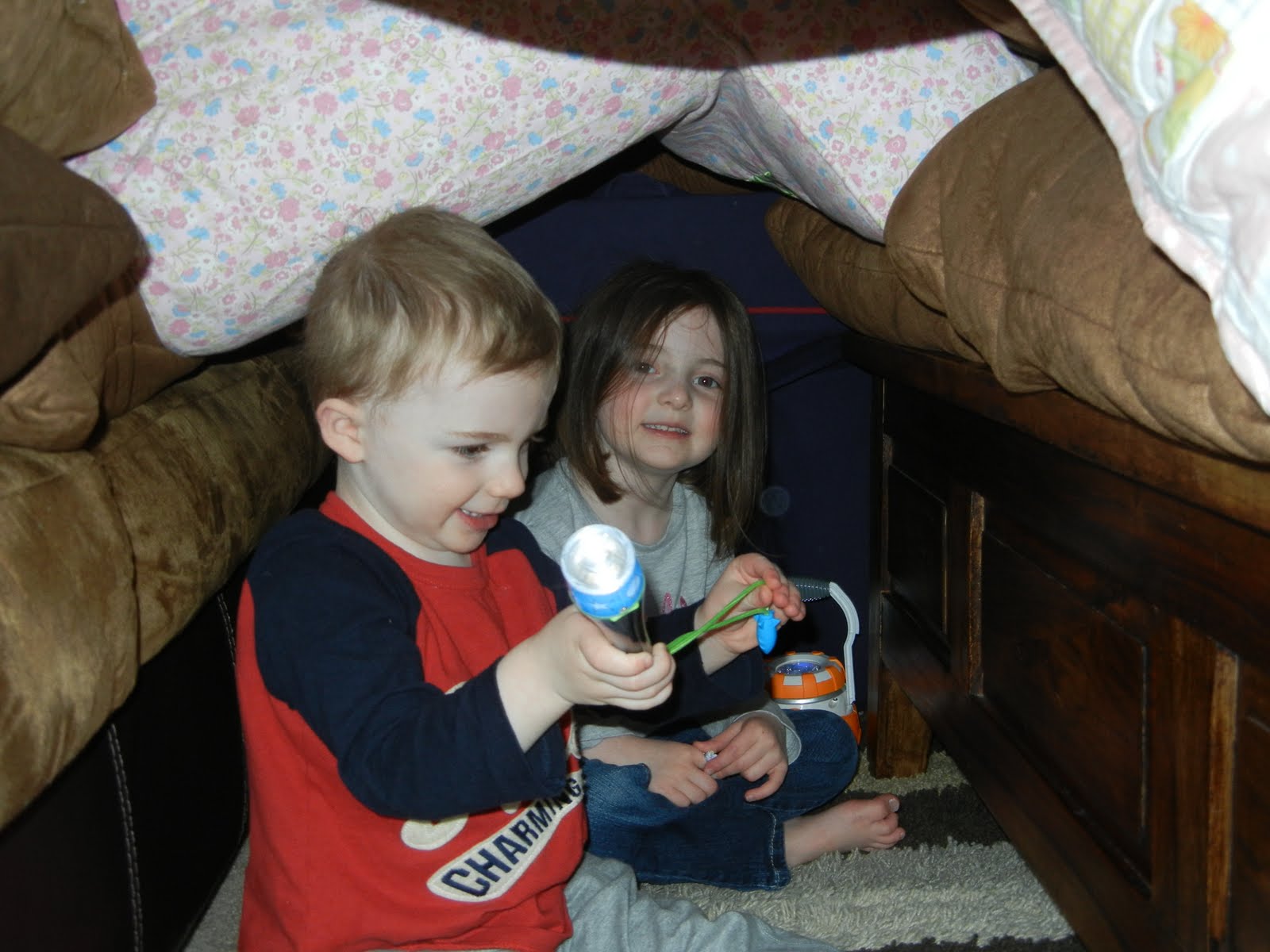
1. Build a fort in your living room.
 Drag your mattress onto your floor, rearrange the furniture around it, build a blanket-and-sheet roof, and bring your cat, dog, best friend, and/or computer along. Put on a happy album, watch movies, eat snacks (and let yourself get crumbs in the bed), and forget your troubles for a while.


2. Watch cute or funny videos. 
At any given moment on the internet, you’re about two clicks away from a video of an adorable and/or hilarious animal that’s guaranteed to coax at least a smirk out of you. If that’s not your thing, look up a tried and true comedian, a movie clip that busts you up, or anything else that might tickle your funny bone.


3. Get in touch with an old friend.
 You know, the one you’ve been meaning call for months (or even years) but you just keep putting it off. Let go of your guilt for not having done it sooner and enjoy catching up. If you can’t get a hold of them on the phone, take the time to write a long email.


4.Take a luxurious bath. 
Fill the tub, add oils, salts, soaps, or even fresh herbs like mint or lavender, set out candles, and let yourself read or just relax for a while.


5. Play in the dirt.
 No, really; scientists are finding that friendly bacteria in the soil actually trigger the brain to produce serotonin and have an antidepressant effect.[1] If you have a garden, get out there and dig. Watching the bugs, birds, and beautiful colors certainly won’t hurt either.


6. Cook yourself a delicious meal – or bake a decadent dessert.
 When did you last take the time to make yourself something? Put on a good album, set out candles, and whip up some appreciation food for yourself. You deserve it.
If you’re tired of cooking the same old, look up a new and exciting recipe. To keep it stress free, try something that looks fast and foolproof; you don’t want to end the evening in tears because your first ever soufflĂ© has collapsed into flames.
If you’re already swamped by how much cooking you do, treat yourself to a night out.


7. Spruce up your home.
 This doesn’t mean a floor-to-ceiling scrub-down (unless you’re into that sort of thing); it means tidying up, doing a quick vacuuming/sweeping session, washing the bedding (nothing feels cozier than clean sheets!), and putting out candles or a vase of flowers (or branches with fall leaves, or whatever else you have handy).


8. Cheer someone else up.
 There's an idea that floats around many New Age circles which says if you want something, give it sincerely to someone else. If you can make someone else happy, why can't you make yourself happy? Ask the people around you how they are doing. Listen to them and try to find a way to make them feel better. You'll draw your attention away from your own negativity and in doing away with theirs, you'll probably get rid of yours too.


9. Hug someone.
 Hugs release endorphins. Find someone to give you a hug, even if it's someone you’ve only just met. Random strangers are surprisingly open to giving hugs in many cultures.


10. Exercise.
 Physical activity releases endorphins that naturally perk up your mood. Some studies suggest that a workout is just as effective as anti-depression medication in curing negative moods and attitudes.


11. Take a power nap.
 Although tiredness or exhaustion might not be what put you in a rut, it can certainly push you further down. Sometimes a nap can function like a "second morning," similar to pushing the reset button on electronics. Once you get up, take a shower or at least wash your face to make it feel like a fresh start.


You can also try:


Sing and dance. 
Although it hasn't been proven, there might be a "body feedback hypothesis" that will help you feel a little more confident. Hide out in your room, put on a happy song, and dance and sing along like you mean it. If you don't know the words to a song, look up the lyrics and read them as you sing or make up your own lyrics as you go along. For your dancing, do a silly novelty dance like the robot, chicken dance, moonwalk or the macarena.
The key with this step is to let loose. The wackier, the better. Even if you feel awful, just pretend you're an obnoxiously happy person and you'll improve your mood by several notches.
If you dare, record yourself doing this with a video camera and watch it so you can laugh at your crazy silliness.


Meditate. In this case, it's not about the crossed legs, candles or mantras. It's about becoming aware of your thoughts so that they don't control you. Imagine your thoughts are being displayed on an electronic scroll screen. Watch the thoughts go by and don't judge them. You'll probably observe the same thoughts repeating themselves like a broken record. If you meditate in this way long and often enough, you'll notice the repetitive thoughts dropping off on their own because you're not acting on them; you're just observing them.


Be thankful. Everyone has something to be grateful for. Make a list of the good things that have happened to you. Think of how life could be worse, and flip the thought process to recognize what you do have. If you're flunking in school, think about how you're at the beginning of the term and not the end, or that you even have a chance to go to school. Get a notebook and a pen, and write down all the good things that you have. Revisit this list when you are feeling negative.


Forgive. In addition to being thankful, it is also good practice to forgive those who have hurt you in the past. Sit in a quiet place with your eyes closed and concentrate on the people you want to forgive. Imagine you are sitting in a circle with those who have done you harm. See their faces in your mind and take turns concentrating on each one of them individually. When you really feel connected to one of them, say out loud, "I forgive you". Ideally, this routine is also ended by forgiving yourself for things in your life that you regret or cannot control. The purpose of this exercise is to create serenity with feelings of peace and renewal.
Note that you don't forgive others for their benefit (or because they deserve it); it's for your benefit so you can put the past behind you and move on.


Accept. This concept, which is central to eastern philosophies like Buddhism, is based on the idea that the world is perfect just the way it is. There is much around us that isn't perfect and that's okay. We can just accept this state of affairs and decide that we don't need our life to be perfect in order for us to cheer up.


Imagine. Close your eyes and think of a place that makes you happy. After that, think of your bad mood as an item, pick it up and put it in the trash can.

Also, Check out these awesome movies:

 The Bucket List
This is an incredibly inspiring movie. Two terminally ill men escape from a cancer ward and head off on a road trip with a wish list of to-dos before they die.


The Blind Side
The story of Michael Oher, a homeless and traumatized boy who became an All American football player and first round NFL draft pick with the help of a caring woman and her family.


How To Train Your Dragon
A helpless young Viking who aspires to hunt dragons becomes the unlikely friend of a young dragon himself, and learns there may be more to the creatures than he assumed.

Or check out this 3D print :
How to Train Your Dragon (Two-Disc Blu-ray 3D/DVD Combo)
 
Powered by Blogger.